

5 Practical Tips for Creating a Supportive Home Environment for Special Needs Children

Introduction
Creating a supportive home environment for special needs children involves more than structural changes. It requires intentional adjustments, the right tools, and reliable resources. By blending inclusion, safety, independence, and community support, these five practical strategies help families foster growth and well-being for children with special needs.
Inclusive Spaces with Adaptive Equipment
A truly inclusive home begins with the question, can my child fully participate here? Adaptive equipment, such as mobile standers, positioning seats, sensory tools, or communication devices, can transform daily challenges into opportunities for independence. Because adaptive equipment can be costly and selecting the right items may be difficult, it is important to map out your child’s daily routines and identify where support is most needed.
Identify daily routines and note specific challenges your child faces. Prioritize adaptive equipment for immediate needs, such as mobility aids for navigation or communication devices for self-expression. Consider renting before purchasing. Month-to-month equipment rentals allow families to try, adjust, and swap items as their child’s needs evolve. Trial periods help prevent costly mistakes and ensure the right fit for both your home and your child’s abilities. Many resource libraries provide clear breakdowns of features, weight limits, and training materials to streamline the selection process.
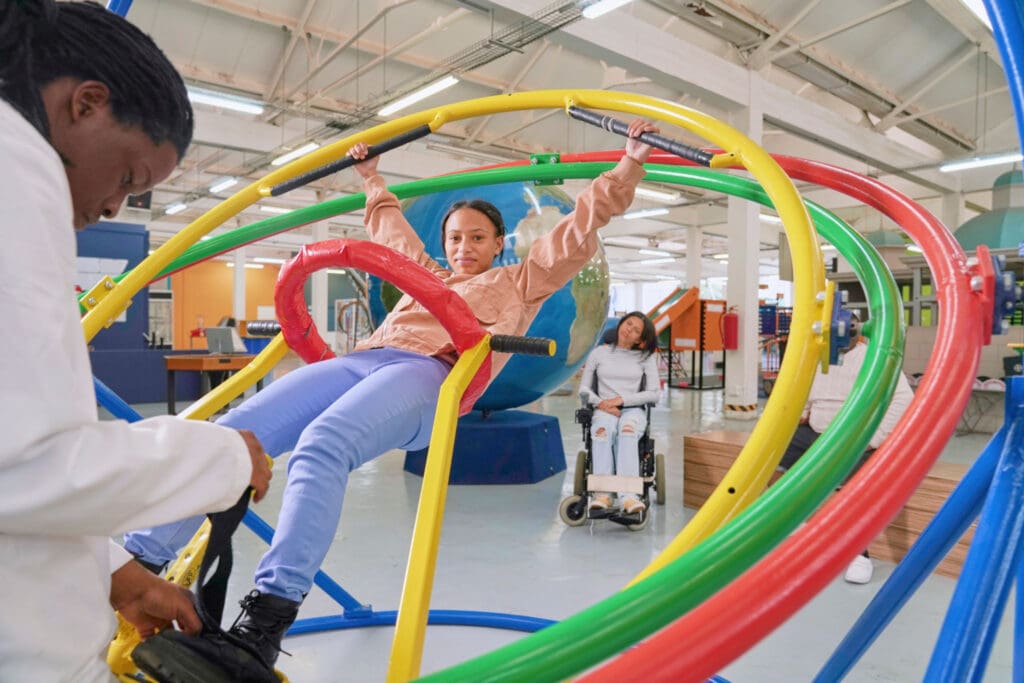
By focusing on daily routines and flexible rental options, families can create a supportive home environment for special needs children that adapts as their child grows.
Sensory-Friendly Home Design for Comfort
Sensory-friendly home design balances light, texture, and sound to reduce overload. Many children with sensory processing differences are sensitive to certain lights, sounds, or textures. Thoughtful changes can help create a calming atmosphere that supports self-regulation.
- Replace harsh overhead bulbs with dimmable lamps and maximize natural light.
- Designate a quiet zone using noise-canceling panels or a cozy tent with plush cushions.
- Incorporate textured pathways, such as shag rugs or smooth mats, for sensory feedback.
- Paint walls in muted blues or greens, which are associated with relaxation and lower heart rates.
Sensory integration tools like weighted blankets, compression vests, or therapy swings can be rented and tested to determine what best suits your child. Many families report reduced meltdowns and increased relaxation after making these changes.

A well-designed sensory-friendly home is essential to a supportive home environment for special needs children, offering comfort and stability.
Safety as Sanctuary for Every Child
Creating a safe home for special needs kids involves anticipating risks and customizing solutions to your child’s abilities. Safety modifications are essential for peace of mind and confidence.
- Anchor bookcases and use corner guards in living areas; secure rugs with non-slip pads.
- Install gates at stairways that are secure yet easy for caregivers to operate.
- Add grab bars, nonskid decals, and hand-held showers in bathrooms for safer bathing.
- Consider motion-sensor alarms at exits for children who may wander.
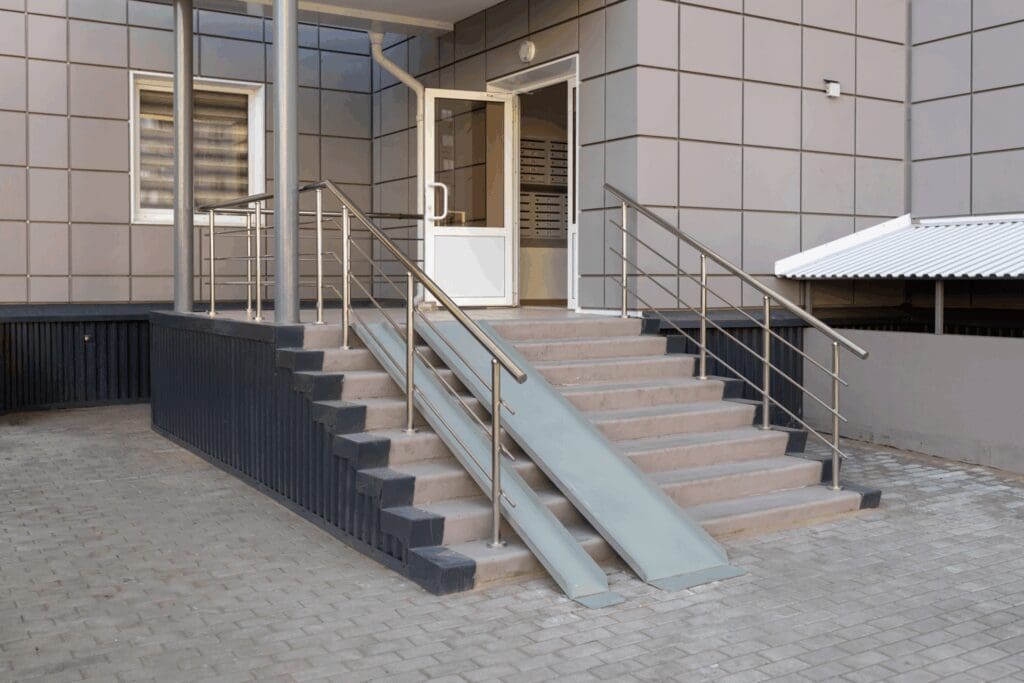
Home accessibility solutions, like portable ramps or offset hinges, can widen doorways without major construction. Many rental inventories include modular ramps and other equipment that can be tested and exchanged as needed.
Proactive safety checklists and access to expert-approved products help parents address potential hazards, regardless of home style or layout.
Encouraging Independence through Accessibility
An accessible home for children with disabilities empowers participation in daily life and builds self-esteem. Removing barriers and making simple changes helps children develop pride in their abilities.
- Arrange furniture to create wide, clear pathways, ideally 36 inches or more.
- Lower hooks, switches, and shelves to be within easy reach.
- Use color-coded or picture labels, so children can independently find clothing and toys.
Temporary adaptive tools, such as grabber arms or lap trays, are affordable to rent and easy to swap as needs change. Flexible equipment options allow families to adapt as seasons or activities shift.
Children who learn daily living skills early become more resilient and confident. Consulting local experts ensures tailored solutions for each unique home environment.

Accessibility is fundamental to a supportive home environment for children with disabilities, nurturing growth and autonomy.
Building Community and Sustaining Support
No family should navigate creating a supportive home environment for special needs children alone. Community resources offer support, guidance, and shared experience.
- Weekly support groups, both virtual and in-person, provide a space to share tips and encouragement.
- Hands-on workshops allow families to try adaptive equipment before renting.
- Expert partnerships with local pediatric therapists and accessibility specialists offer tailored advice.
- Regular updates on sensory-friendly design and safety tips keep families informed.
Local guidance considers the unique aspects of your area, providing solutions that fit real families’ lives. Community networks offer emotional relief, practical solutions, and up-to-date research, all contributing to a supportive home environment for special needs children.
What Makes Our Rentals Different
A personalized fitting session at drop-off ensures adaptive equipment aligns with your child’s needs. Measure door widths so the team brings compatible models.
Cleaned and sanitized between every rental, providing peace of mind for immunity-sensitive children. Ask for the cleaning log upon delivery. Swap-out flexibility without extra fees allows adaptation as your child’s abilities evolve. Schedule a 30-day check-in to reassess fit.
Partnerships with local therapists provide recommendations from those familiar with your child’s care plan. Invite your therapist to the fitting appointment.
This commitment to quality and individualized service makes flexible rentals a valuable resource for families seeking a supportive home environment for special needs children.
Empowering Families to Thrive at Home
These five practical tips—adaptive equipment, sensory-friendly spaces, proactive safety, accessibility, and community support—form the foundation of a supportive home environment for special needs children. Local expertise, flexible rentals, and a wealth of resources help families succeed. For more practical solutions, visit our Information Services.
References
Creating A Sensory-Friendly Space – https://www.brainzmagazine.com
Establish A Consistent Routine – https://totsfamily.com
Encourage Independence – https://totsfamily.com
Utilize Assistive Technologies – https://weence.com
Foster Open Communication – https://www.specialolympics.org